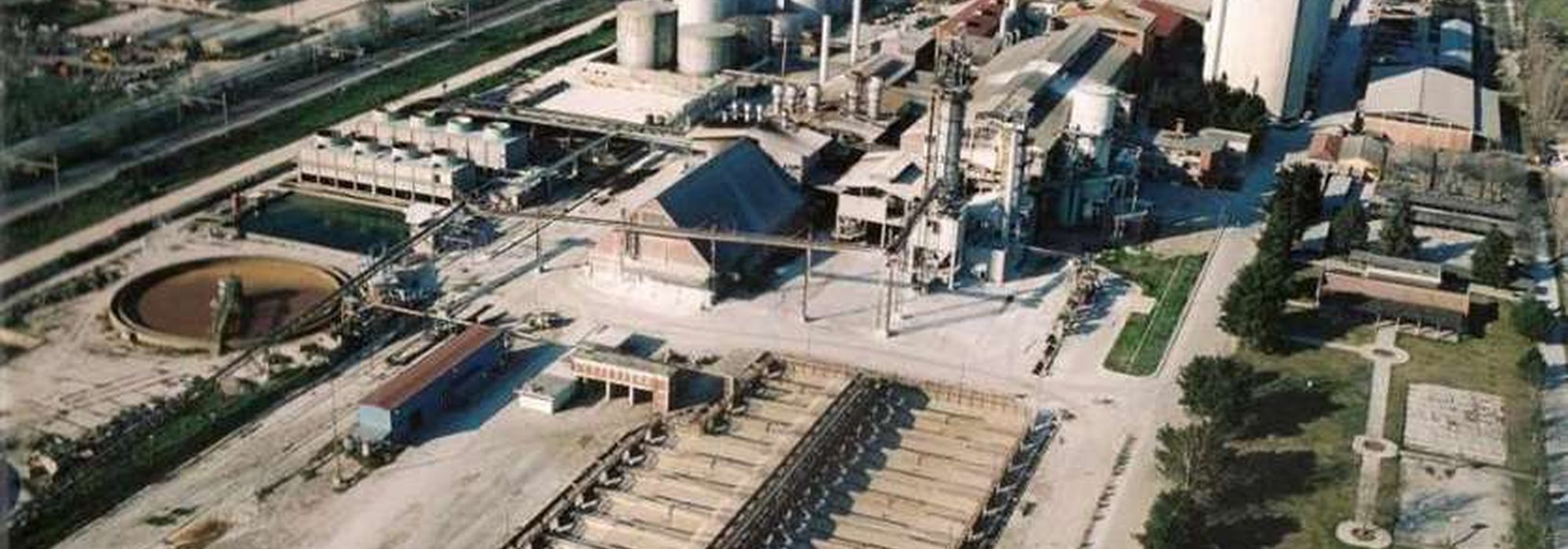
The creation of an intermodal transport centre in Thessaly is expected to deliver significant benefits for the local community, the economy and the environmental sustainability of the region. The beneficiary population includes not only the businesses and workers directly connected to the supply chain, but also citizens who are positively affected by indirect effects.
Benefit #1
More economical and effective transport services
The intermodal centre offers more economical and effective transport services, reducing the cost and time of shipping goods, and allows Thessaly businesses to compete on better terms in the Greek and international markets.
Beneficiaries: Local industries and businesses (agriculture, food industry, logistics).
Benefit #2
Investment and new jobs
Establishing the centre attracts investment and creates new jobs, directly in logistics (warehousing, transport, management) and indirectly in support services (security, cleaning, catering).
Beneficiaries: Local residents seeking work, local supply chain businesses, and the Thessaly economy more broadly.
Benefit #3
Thessaly as a hub towards Greece and Europe
Thessaly becomes a key hub for moving goods both to the rest of Greece and to European markets, thanks to intermodal infrastructure that enables easy transfer between modes.
Beneficiaries: Exporting businesses in the region and newly established business activity.
Benefit #4
Strengthening the agri-food sector
Thessaly is one of Greece's principal agricultural producers. The centre improves the efficiency of agricultural freight transport, enabling higher exports and better delivery speed and quality.
Beneficiaries: Agricultural cooperatives, growers and processors of agricultural products.
Benefit #5
A logistics ecosystem and regional development
The centre acts as a driver of wider development, creating a logistics ecosystem that supports varied business activity and leads to greater capital flow.
Beneficiaries: The population of Thessaly as a whole.
Benefit #6
Reduced CO₂ emissions and air pollution
Moving large volumes by rail or other environmentally friendly modes reduces road transport use and consequently carbon dioxide emissions and air pollution.
Beneficiaries: The local community of Thessaly as a whole.
Benefit #7
Specialisation and workforce training
Operating a modern intermodal centre requires specialised staff, who can be developed through education and training programmes in cooperation with local universities and institutions.
Beneficiaries: Young professionals, students and skilled workers in the region.
Benefit #8
Sustainable urban mobility
Relieving roads of heavy vehicles and reducing pollution lead to more sustainable urban mobility and improved quality of life.
Beneficiaries: Residents of Thessaly's urban areas, particularly cities such as Larissa.